Inventory Management
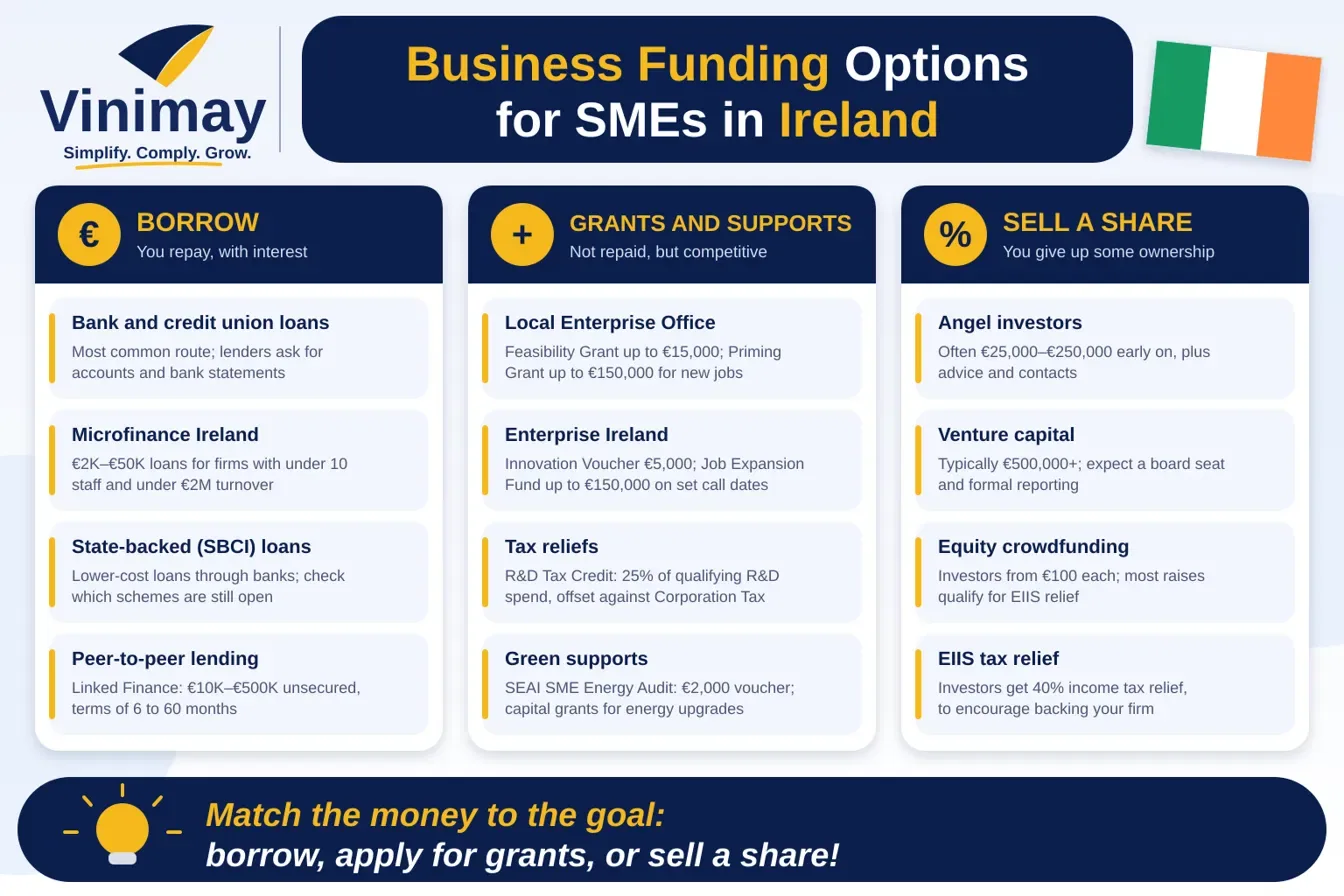
Read post Business Funding Options for SMEs in Ireland (2026 Guide)
Explore business funding options for SMEs in Ireland, including bank loans, Microfinance Ireland, SBCI finance, grants, invoice finance and asset finance.
Explore business funding options for SMEs in Ireland, including bank loans, Microfinance Ireland, SBCI finance, grants, invoice finance and asset finance.
Create professional GST-compliant invoices in under 30 seconds, send WhatsApp payment links, and track inventory effortlessly.
: Learn how to choose a business bank account in Ireland. Compare fees, online banking, payment facilities, cash deposits and features for SMEs.
How to Choose a Business Bank Account in Ireland
Choosing a business bank account is an important step for sole traders, start-ups and established companies in Ireland. The right account can make it easier to receive customer payments, pay suppliers, monitor transactions and keep business finances organised.
However, not all business accounts offer the same services. Some provide branch access and cash-handling facilities, while others focus on online banking, international payments and digital tools.
Before opening an account, business owners should compare the costs, payment options, account requirements and services that match their day-to-day operations.
When comparing business bank accounts in Ireland, consider:
Monthly or quarterly account fees.
Transaction and payment charges.
Online and mobile banking.
Cash and cheque deposit facilities.
SEPA and international payments.
Business debit cards.
Accounting software integrations.
Overdraft and business lending options.
Customer support and branch availability.
The cheapest account is not always the best choice. Select one that suits how your business receives, holds and spends money.
Start by identifying how your business handles money.
A self-employed consultant may receive most payments through bank transfers, while a retail shop may need regular cash deposits and card-payment settlement facilities.
Ask yourself:
How many payments do you receive each month?
Do customers pay by bank transfer, card or cash?
Do you regularly pay suppliers?
Do you make international payments?
Do you need multiple employees to access the account?
Will you need an overdraft or business loan?
Your answers will help narrow down the available accounts.
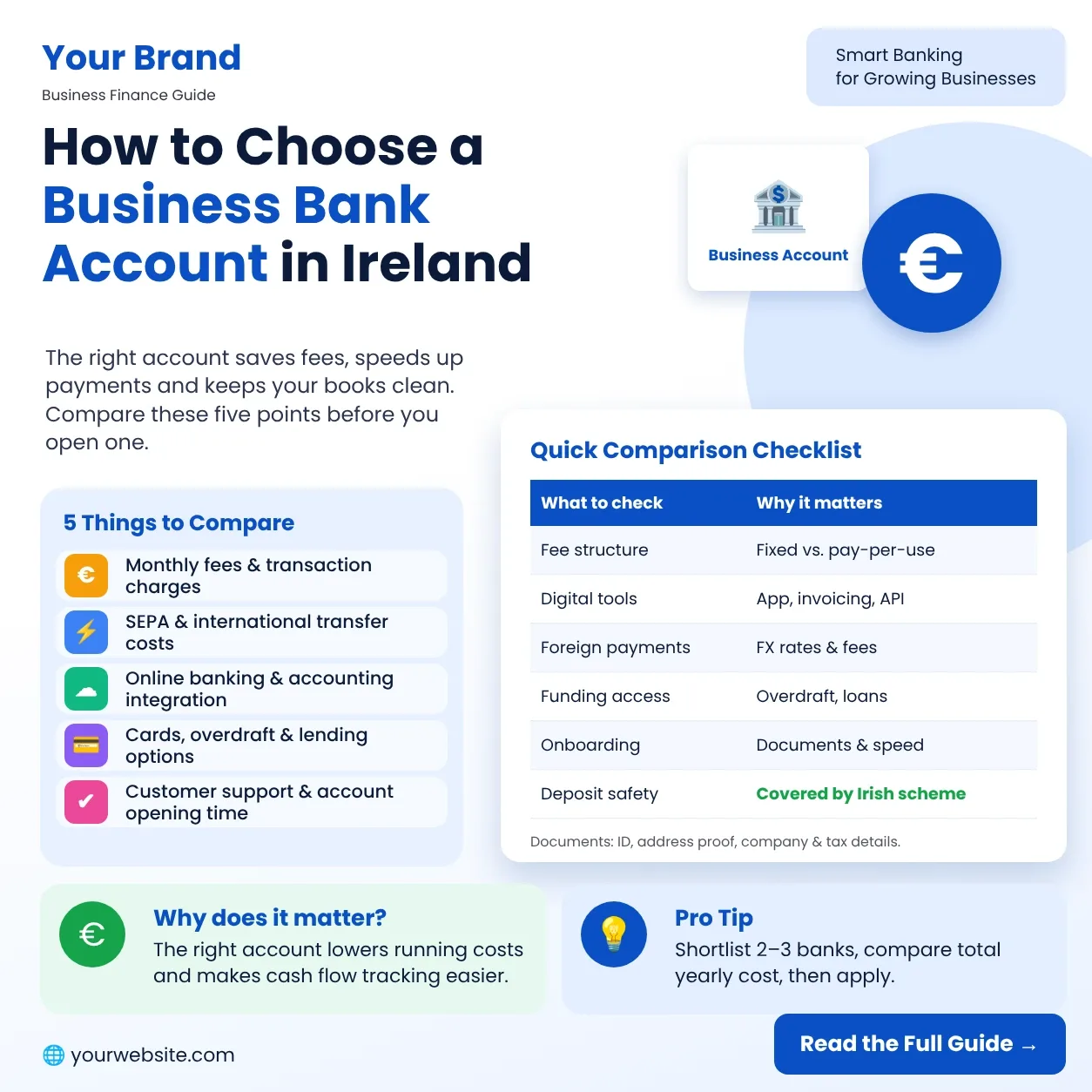
Account charges can affect the overall cost of banking, particularly for businesses with frequent transactions.
Check the following:
Some banks charge a monthly or quarterly maintenance fee. Others may offer reduced fees or introductory offers for eligible start-ups.
Check the cost of electronic payments, direct debits, standing orders and other transactions.
Businesses that regularly deposit cash should check the applicable lodgement and cash-handling fees.
If you work with overseas customers or suppliers, compare foreign exchange margins, transfer fees and receiving charges.
Always read the provider's current business fee schedule rather than relying only on promotional advertising.
Online banking is important for businesses that want to manage their finances without visiting a branch.
Look for features such as:
Viewing account balances and transactions.
Making supplier payments.
Downloading bank statements.
Setting up standing orders and direct debits.
Managing business debit cards.
Setting payment permissions for team members.
A useful mobile app can also help business owners check incoming payments and monitor spending while away from the office.
Different providers may suit different business requirements. The following are examples worth comparing.
AIB offers a business current account with online account access, payment facilities, business debit card options and branch services.
It also provides access to business support and potential overdraft facilities, subject to assessment.
May suit: Businesses that value branch access alongside online banking.
Bank of Ireland Business Banking
Bank of Ireland provides business banking services for different types of businesses, including payment services and business finance options.
Businesses can explore its current account and lending services based on their requirements.
May suit: Businesses looking for a traditional banking relationship and access to business finance.
Permanent TSB Business Banking
Permanent TSB provides business banking services and publishes documentation requirements for business accounts and lending applications.
Businesses should contact the bank directly to confirm account availability, eligibility and current charges for their business type.
May suit: Businesses comparing traditional Irish banking providers.
Revolut Business
Revolut Business offers digital business accounts with features for payments, cards and international business transactions. Available features and plan limits depend on the selected subscription.
May suit: Businesses that operate digitally or regularly make international payments.
Wise Business
Wise Business focuses on international payments and holding or converting supported currencies. Its charges depend on the transaction and services used.
May suit: Businesses that receive or send money internationally and want to compare currency conversion costs.
Check Payment and Cash Deposit Facilities
A business account should support the payment methods your customers and suppliers use.
Consider whether you need:
SEPA credit transfers.
Direct debits.
Standing orders.
Business debit cards.
Cash deposits.
Cheque lodgements.
International transfers.
Card-payment settlement.
For example, a shop receiving cash daily may prioritise branch or cash-deposit access. A digital consultancy may place greater importance on low-cost electronic payments.
A business bank account becomes more useful when its transaction data can be connected to your bookkeeping or accounting process.
Some banks and software providers support bank feeds or transaction exports.
This can help reduce manual data entry and make it easier to reconcile customer receipts, supplier payments and operating expenses.
You can also use business management tools such as Vinimay to organise invoices, customer records and payment tracking. Check the available integration or export options before relying on a particular workflow.
Banks may ask for different documents depending on whether you operate as a sole trader, partnership or limited company.
Common requirements may include:
Proof of identity.
Proof of residential address.
Business address and contact details.
Business registration information, where applicable.
Tax or business identification details.
Ownership and director information.
Details about the nature of business activities.
The bank may request additional documents to complete its customer due diligence checks.
Keeping business and personal transactions separate can make financial administration easier.
It helps business owners:
Identify business income and expenses.
Monitor cash flow.
Reconcile invoices and payments.
Prepare financial reports.
Organise records for an accountant.
Review business performance.
Whether a separate account is legally required can depend on the business structure, banking terms and circumstances. Limited companies should pay particular attention to maintaining clear separation between company and personal funds.
Before applying, compare each provider using these questions:
What are the account maintenance charges?
How much do domestic transactions cost?
Are cash deposits available?
Can I manage the account online and through a mobile app?
Are international payments supported?
Can I download statements or connect accounting software?
Does the provider offer business lending or overdraft facilities?
What documents are required to open the account?
Compare the total cost based on your expected monthly activity, not just the advertised account fee.
Choosing a business bank account in Ireland requires more than comparing account fees. Business owners should consider transaction costs, payment facilities, online banking, cash deposits, international transfers and future borrowing needs.
AIB, Bank of Ireland and Permanent TSB are worth comparing for traditional banking services, while Revolut Business and Wise Business may suit businesses with digital or international payment requirements.
Before opening an account, review the current fee schedule and eligibility requirements. The right account should support your everyday financial activities while making it easier to maintain accurate business records.
Our editorial and compliance specialists create practical guides, tax calculation rules, and operational strategies to empower Indian small business owners and accountants.
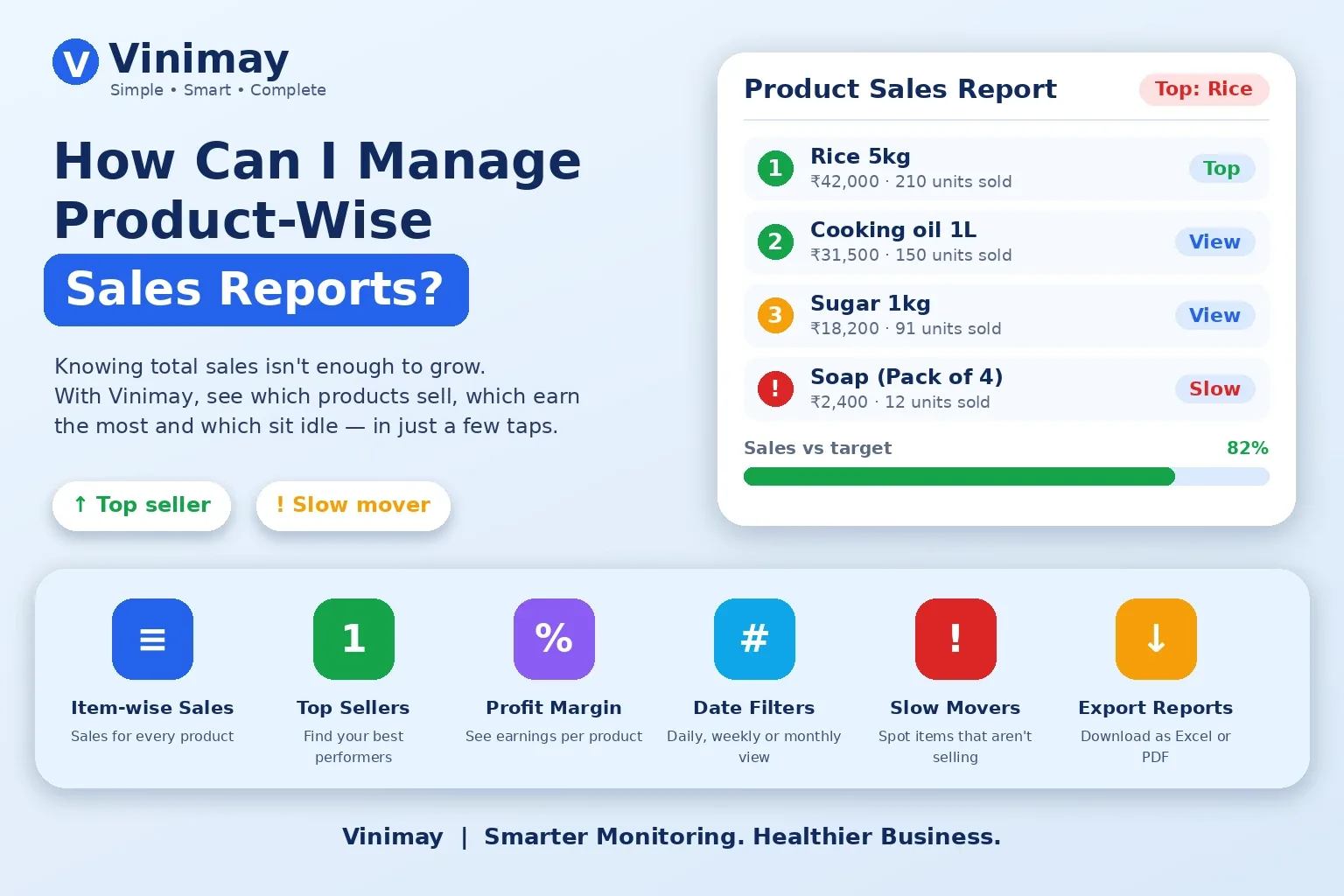
Want to see sales broken down by individual product, not just an overall total? Here's how to generate and actually use product-wise sales reports.
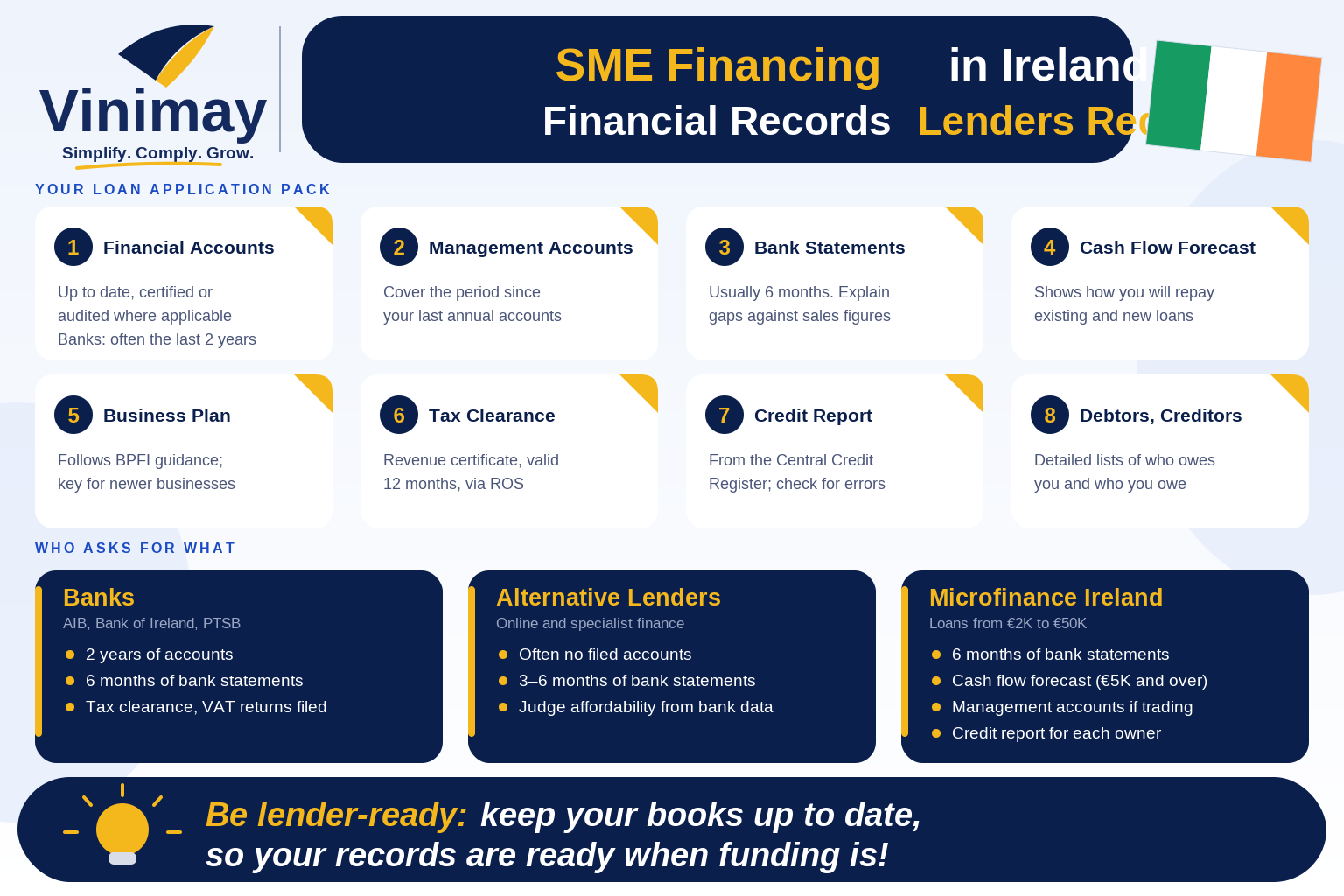
Applying for SME finance in Ireland? Learn which financial records, bank statements, cash flow forecasts and business documents lenders typically require.