How Can Singapore SMEs Reduce the Time Between Sending an Invoice and Receiving Payment?
Quick Answer: Singapore SMEs can reduce invoice-to-payment time by issuing accurate invoices immediately, setting clear payment terms, accepting convenient methods such as PayNow, and following up before invoices become overdue. Using suitable billing software ,receivables reports, and InvoiceNow e-invoicing can also reduce processing delays and improve cash flow.
For Singapore startups, consultants, retailers, and trading companies, making a sale is only half the process. The business must also collect payment.
When invoices take too long to settle, businesses may struggle to pay suppliers, employees, and operating expenses. Improving the invoice-to-payment cycle helps turn recorded revenue into available cash faster.
1. Why Do Customers Take So Long to Pay Invoices?
Payment delays often begin before an invoice reaches the customer's finance team.
Common reasons include incorrect customer details, missing purchase order numbers, unclear terms, approval delays, and disputes over supplied goods or services.
For example, a Singapore consultancy might complete a project but wait several days before sending its invoice. If the customer then requires internal approval, collection takes even longer.
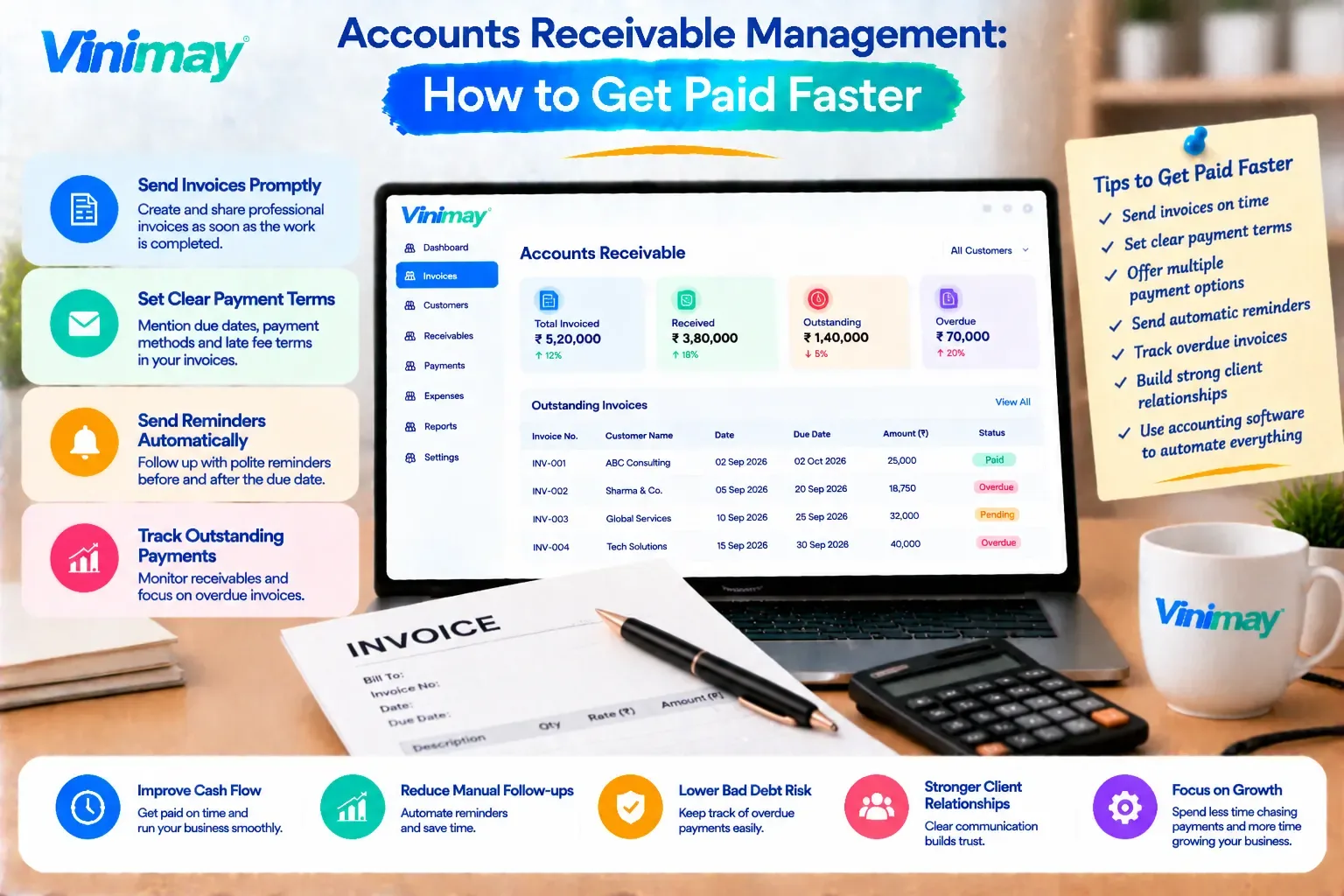
Businesses should confirm billing requirements before starting work and send invoices promptly after the relevant billing milestone.
2. How Can Businesses Send Invoices Faster?
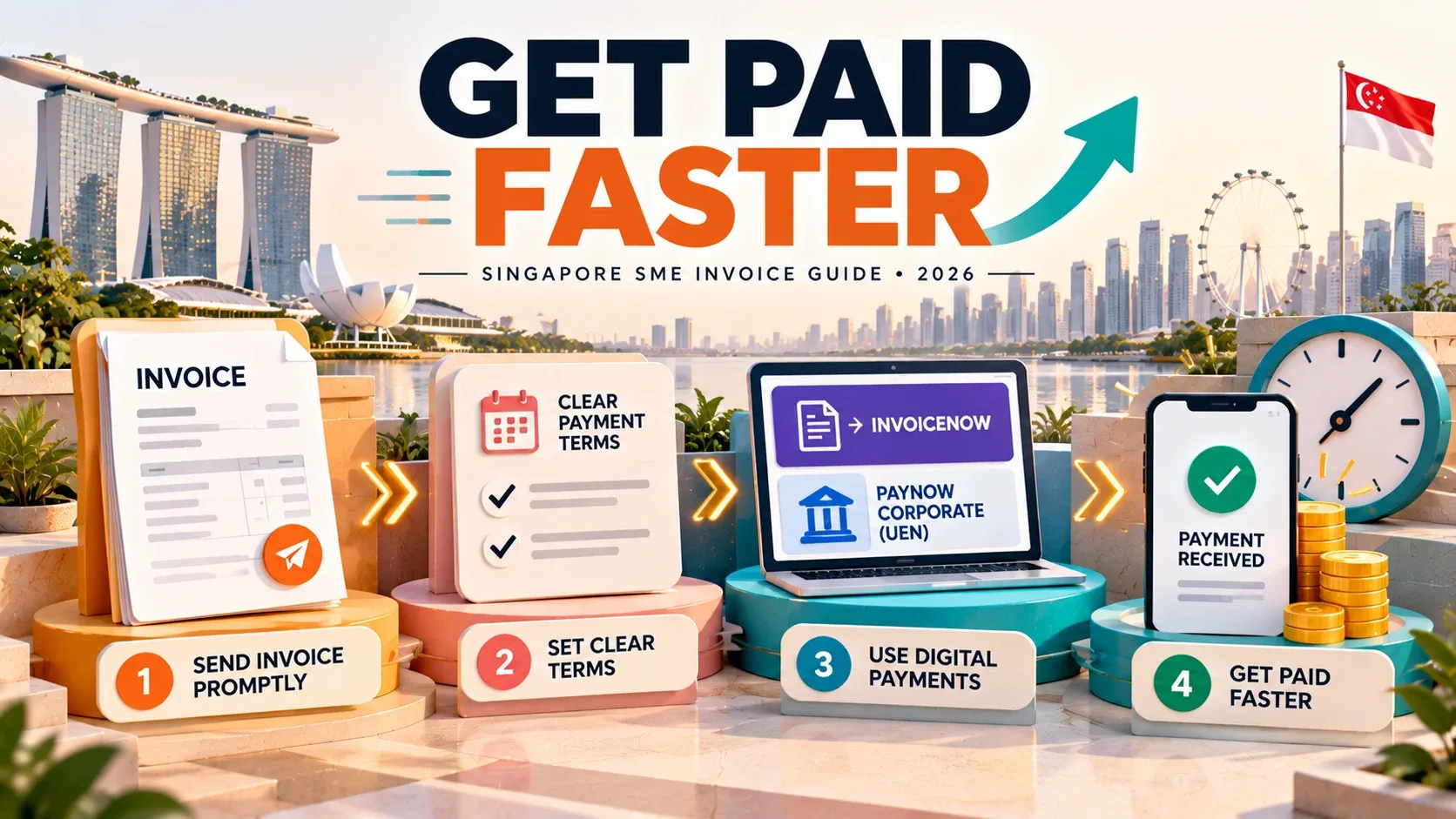
The simplest improvement is to reduce the time between completing a sale and issuing the invoice.
Use standard invoice templates with customer details, invoice numbers, descriptions, agreed prices and payment instructions.
For GST-registered businesses, ensure invoices meet applicable IRAS requirements and reflect the correct GST treatment.
A suitable billing system can reuse customer and product information, reducing repetitive data entry.
For recurring services, scheduled invoices can also reduce administrative delays when supported by the software.
3. Which Payment Terms Help SMEs Collect Faster?
Payment terms should match the customer's creditworthiness and the business's cash flow needs.
For example, an S10,000 design project could use an S5,000 advance payment and S$5,000 on completion.
Shorter terms may improve collections, but they should be agreed with the customer rather than imposed after invoicing.
4. How Can PayNow Make Invoice Payments Easier?
PayNow Corporate allows registered Singapore businesses to receive SGD payments through participating banks and payment institutions using their Unique Entity Number (UEN).
Customers can pay without manually entering the recipient's bank account details.
Businesses may include suitable PayNow payment information or a supported QR code on invoices.
This can reduce payment friction, although the actual collection date still depends on when the customer authorizes payment.
Providing a clear invoice reference also makes reconciliation easier.
5. Can InvoiceNow Shorten Payment Processing Time?
Yes. Singapore's InvoiceNow network enables businesses to exchange structured electronic invoices using the Peppol standard.
Instead of manually re-entering invoice details from PDFs, participating customers can receive information directly into compatible systems.
This can reduce data-entry errors and accelerate invoice validation and approval.
IMDA identifies shorter payment cycles as an important benefit of InvoiceNow.
For GST-registered businesses, the separate GST InvoiceNow reporting requirement is being introduced in phases through April 2031.
InvoiceNow can improve processing speed, but it does not guarantee immediate customer payment.
6. When Should Payment Reminders Be Sent?
A clear reminder schedule helps businesses follow up consistently.
This is a suggested collection schedule, not a statutory requirement.
Reminder messages should identify the invoice number, outstanding amount, due date and payment method.
Always verify whether payment has already been received before sending further reminders.
7. How Do SMEs Measure Invoice Collection Speed?
One useful indicator is Days Sales Outstanding (DSO).
It estimates how long a business takes to collect credit sales.
DSO = Average Accounts Receivable ÷ Credit Sales × Number of Days
For example, if average receivables are S20,000 and credit sales are S60,000 over 90 days:
DSO = S20,000 ÷ S60,000 × 90 = 30 days
A lower DSO generally indicates faster collection, although results should be compared with the company's industry and agreed payment terms.
Businesses should also review overdue invoice percentages and customer ageing reports.
8. How Can Vinimay Help SMEs Manage Invoice Collections?
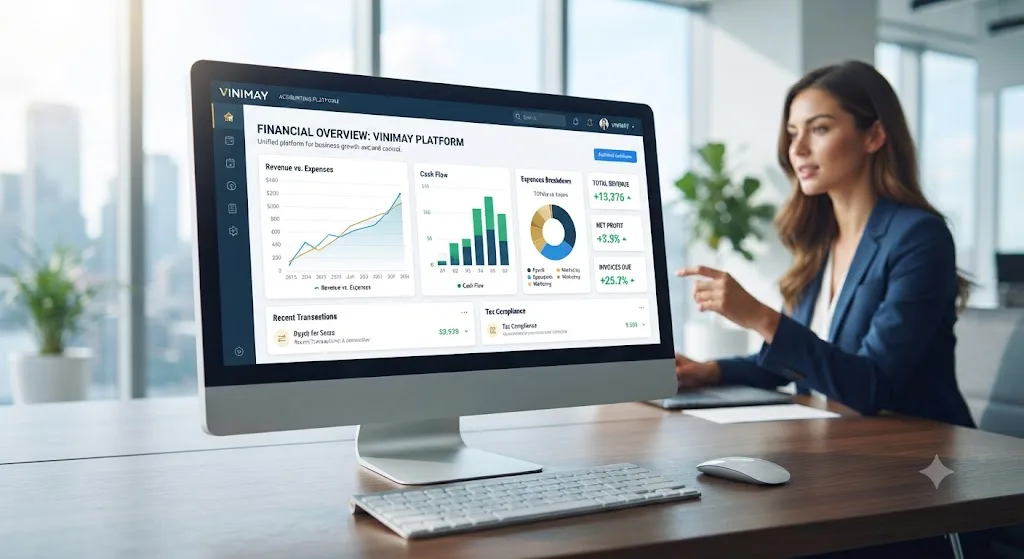
Vinimay provides general features for creating sales invoices, recording customer receipts, tracking payments, maintaining customer ledgers, and generating financial reports.
These functions can help businesses organize invoice histories and identify outstanding customer balances.
For example, a trading company can compare invoices with recorded receipts before following up with customers.
However, Vinimay's automated payment reminders, PayNow integration, Singapore InvoiceNow accreditation, Peppol connectivity, and direct IRAS submission capabilities have not been independently verified.
Businesses should confirm these features before relying on the system for automated collections or Singapore-specific compliance.
Frequently Asked Questions
Related Topics
Published by prachi kahar
Our editorial and compliance specialists create practical guides, tax calculation rules, and operational strategies to empower Indian small business owners and accountants.