Inventory Management
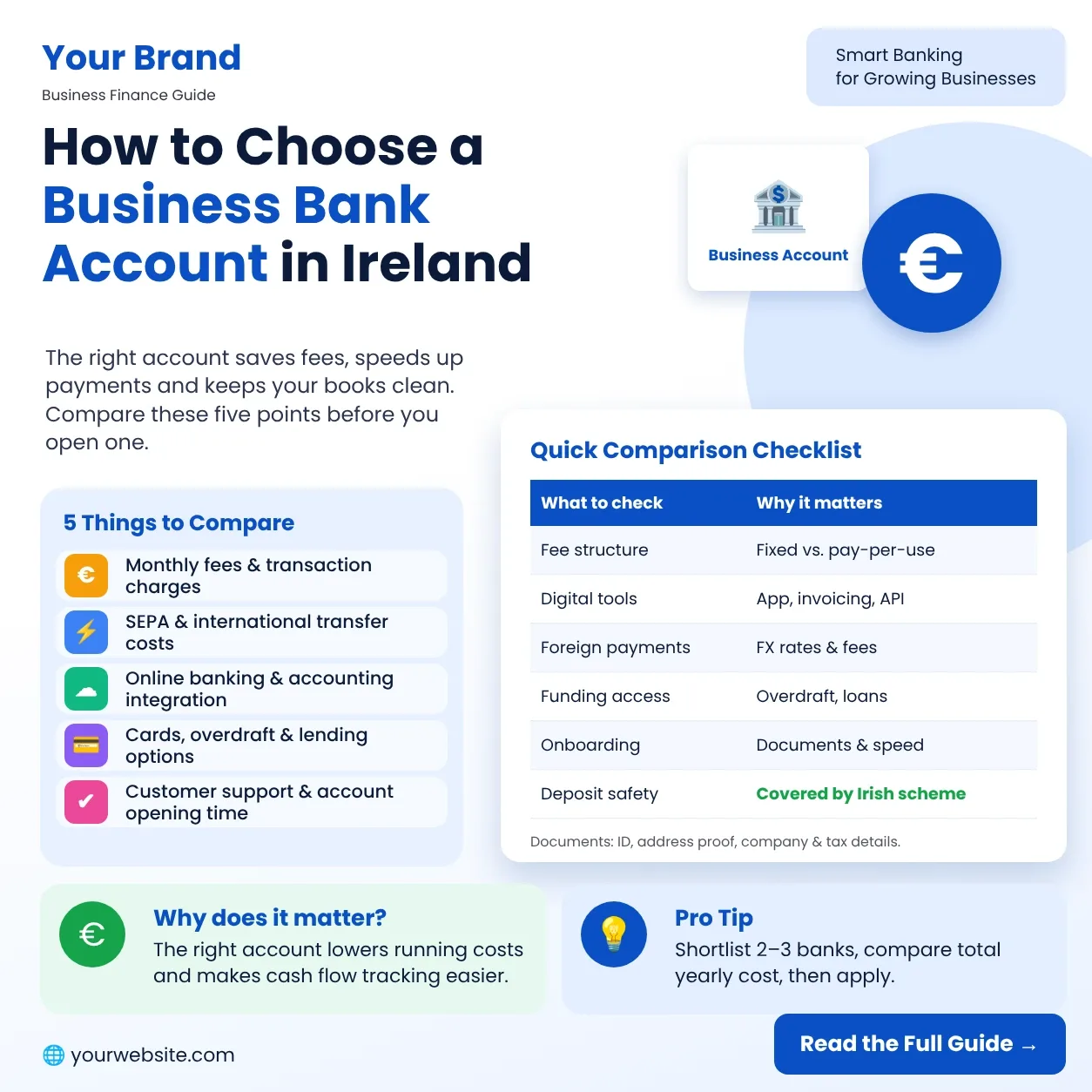
Read post How to Choose a Business Bank Account in Ireland (2026 Guide)
: Learn how to choose a business bank account in Ireland. Compare fees, online banking, payment facilities, cash deposits and features for SMEs.
: Learn how to choose a business bank account in Ireland. Compare fees, online banking, payment facilities, cash deposits and features for SMEs.
Create professional GST-compliant invoices in under 30 seconds, send WhatsApp payment links, and track inventory effortlessly.
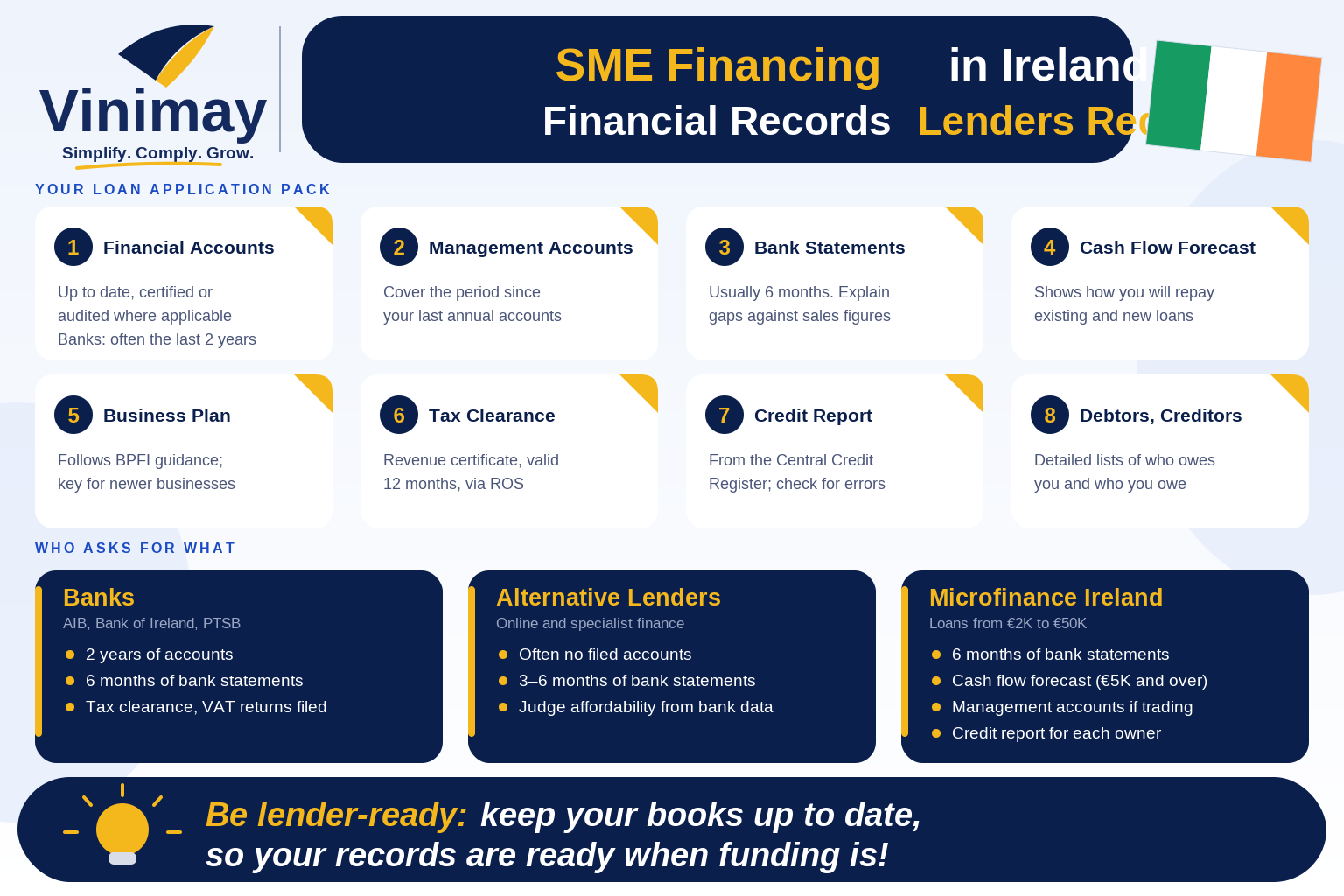
Applying for SME finance in Ireland? Learn which financial records, bank statements, cash flow forecasts and business documents lenders typically require.
SME Financing in Ireland: Financial Records Lenders Require
Getting finance can help an Irish small- or medium-sized business purchase equipment, manage working capital, hire employees, or expand into new markets. However, lenders need to understand the financial position of a business before deciding whether to approve a loan.
For this reason, preparing financial records is an important part of the SME financing process. Banks and other finance providers may request business accounts, bank statements, tax information, cash flow forecasts, and details of existing debts.
Whether you operate as a sole trader, partnership, or limited company, organized financial information can make it easier to explain your funding requirements and demonstrate your ability to repay borrowing.
Irish lenders commonly request:
Recent business and management accounts.
Business and, where required, personal bank statements.
Cash flow forecasts.
Profit and loss information.
A business plan explaining the funding requirement.
Details of existing loans and liabilities.
Aged debtor and creditor reports.
Tax information or confirmation that tax affairs are up to date.
Personal financial information or security details, where applicable.
The exact requirements depend on the lender, business structure, loan amount, and purpose of the financing.
Financial accounts help lenders understand how the business has performed over a particular period.
Existing businesses may be asked to provide annual accounts, certified accounts or audited financial statements, depending on their size and circumstances.
These records can show:
Annual turnover.
Cost of sales.
Operating expenses.
Gross and net profit.
Assets and liabilities.
Existing borrowing.
Overall financial position.
For example, a business applying for expansion finance should be able to show whether its previous trading performance supports the proposed investment.
Management accounts provide a more recent picture of business performance than annual accounts alone.
They may include monthly or quarterly profit and loss information, balance sheet details and comparisons against previous periods.
Lenders can use these records to understand whether sales are increasing, costs are changing, or profitability has weakened since the last annual accounts were prepared.
Keeping management accounts updated can therefore help businesses explain their current financial position.
Banks may request several months of business bank statements to review actual financial activity.
These statements help lenders assess:
Regular customer receipts.
Supplier payments.
Payroll and operating expenses.
Existing loan repayments.
Overdraft usage.
Account balances and cash flow patterns.
Microfinance Ireland, for example, lists six months of personal and business bank statements among its application documents.
Sole traders should check whether personal statements are also required because their business and personal finances may be more closely connected.
A cash flow forecast estimates the money expected to enter and leave the business over a future period.
It is particularly important when applying for working capital or expansion finance because lenders need to understand how the business expects to manage repayments.
A useful forecast should include:
Expected sales receipts.
Customer payment timings.
Supplier payments.
Rent and utility costs.
Wages and other operating expenses.
Tax payments.
Existing loan repayments.
Proposed new finance repayments.
Prepare realistic monthly estimates rather than relying only on optimistic sales expectations.
A profit and loss statement summarises business income and expenses over a specific period.
It helps lenders understand whether the business is generating enough income to cover its operating costs and support additional borrowing.
If the business has experienced changing sales or expenses, include an explanation of significant differences between periods.
Aged debtor reports show how much customers owe the business and how long invoices have remained unpaid.
Aged creditor reports show amounts the business owes to suppliers and other creditors.
These reports are useful because a business may report healthy sales but still experience cash flow pressure when customers pay late.
Maintaining accurate invoice and payment records can help businesses prepare these reports. Tools such as Vinimay can help organise customer details, invoices and outstanding payment information.
Tax Records and Existing Liabilities
Lenders may ask for confirmation that the business's tax affairs are up to date. They may also request information about existing loans, credit facilities, guarantees, and other financial commitments.
Prepare relevant revenue records and details of any agreed tax arrangements where applicable.
Do not assume that a lender will assess the business only on its turnover. Existing liabilities and repayment commitments also affect its ability to service new borrowing.
A business plan explains what the business does, how it earns revenue, and what it intends to achieve with the requested finance.
It should cover:
Business background and ownership.
Products or services.
Target customers and market.
Competitor position.
Management experience.
Funding amount and purpose.
Projected financial performance.
Repayment strategy.
For example, if you need €40,000 to purchase machinery, explain the equipment cost, expected production capacity, additional sales, and how the investment may support loan repayments.
Step 1: Organise your accounts. Gather annual accounts, management accounts and recent financial statements.
Step 2: Reconcile bank transactions. Check that business receipts and payments are recorded correctly.
Step 3: Review unpaid invoices. Identify overdue customer balances and outstanding supplier payments.
Step 4: Prepare cash flow projections. Estimate future income, expenses, and repayments.
Step 5: Explain the funding requirement. Show how much finance you need and how it will be used.
Step 6: Check lender-specific requirements. Ask for the latest application checklist before submitting documents.
Preparing financial records before applying for SME financing can make the application process more organized and help lenders understand the business's financial position.
Businesses should maintain accurate accounts, bank statements, cash flow forecasts, tax information, and customer payment records. They should also explain clearly how the requested finance will be used and how repayments are expected to be managed.
Good financial record-keeping is not only useful when applying for finance. It also helps business owners monitor performance, manage cash flow, and make better decisions throughout the year
Our editorial and compliance specialists create practical guides, tax calculation rules, and operational strategies to empower Indian small business owners and accountants.
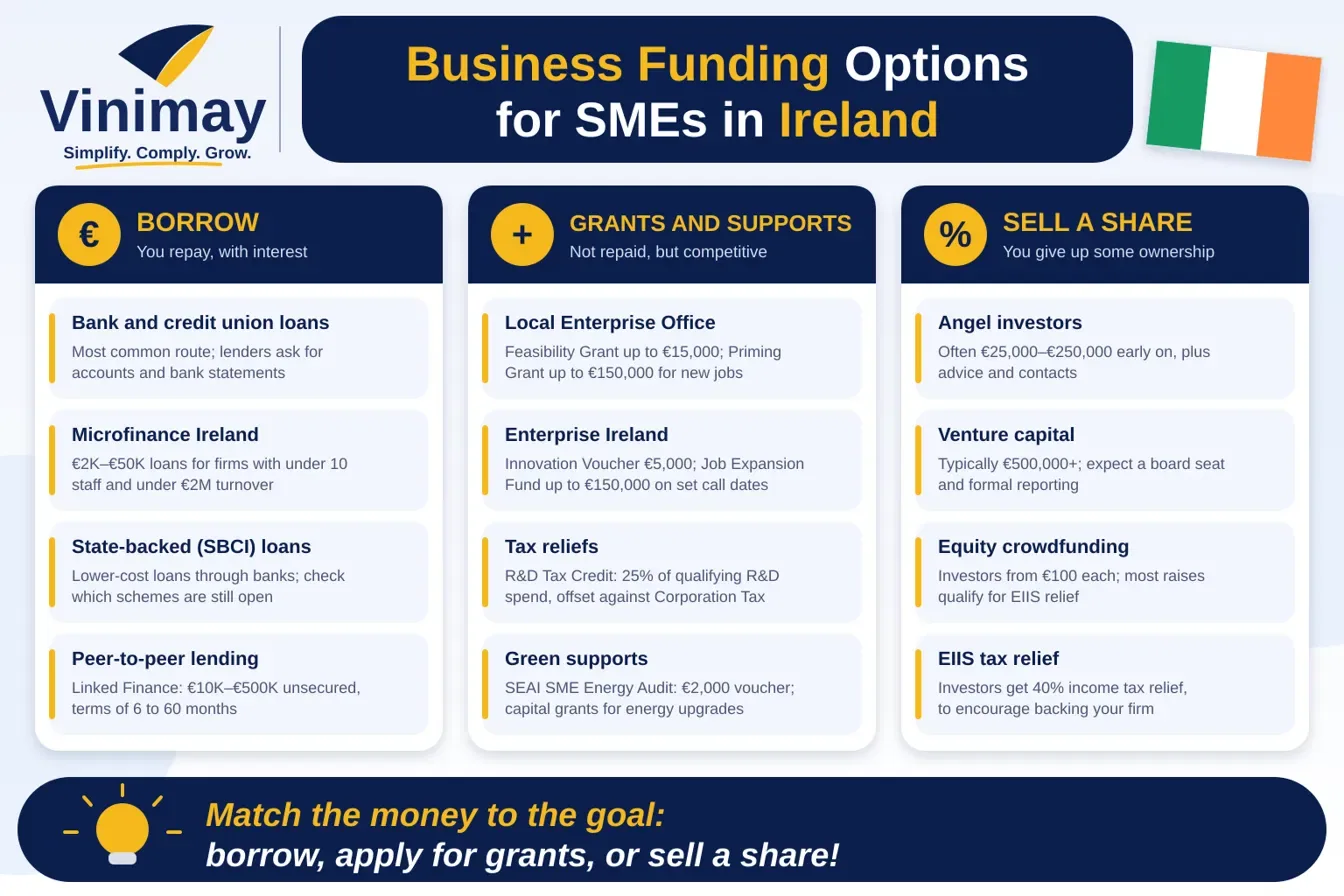
Explore business funding options for SMEs in Ireland, including bank loans, Microfinance Ireland, SBCI finance, grants, invoice finance and asset finance.
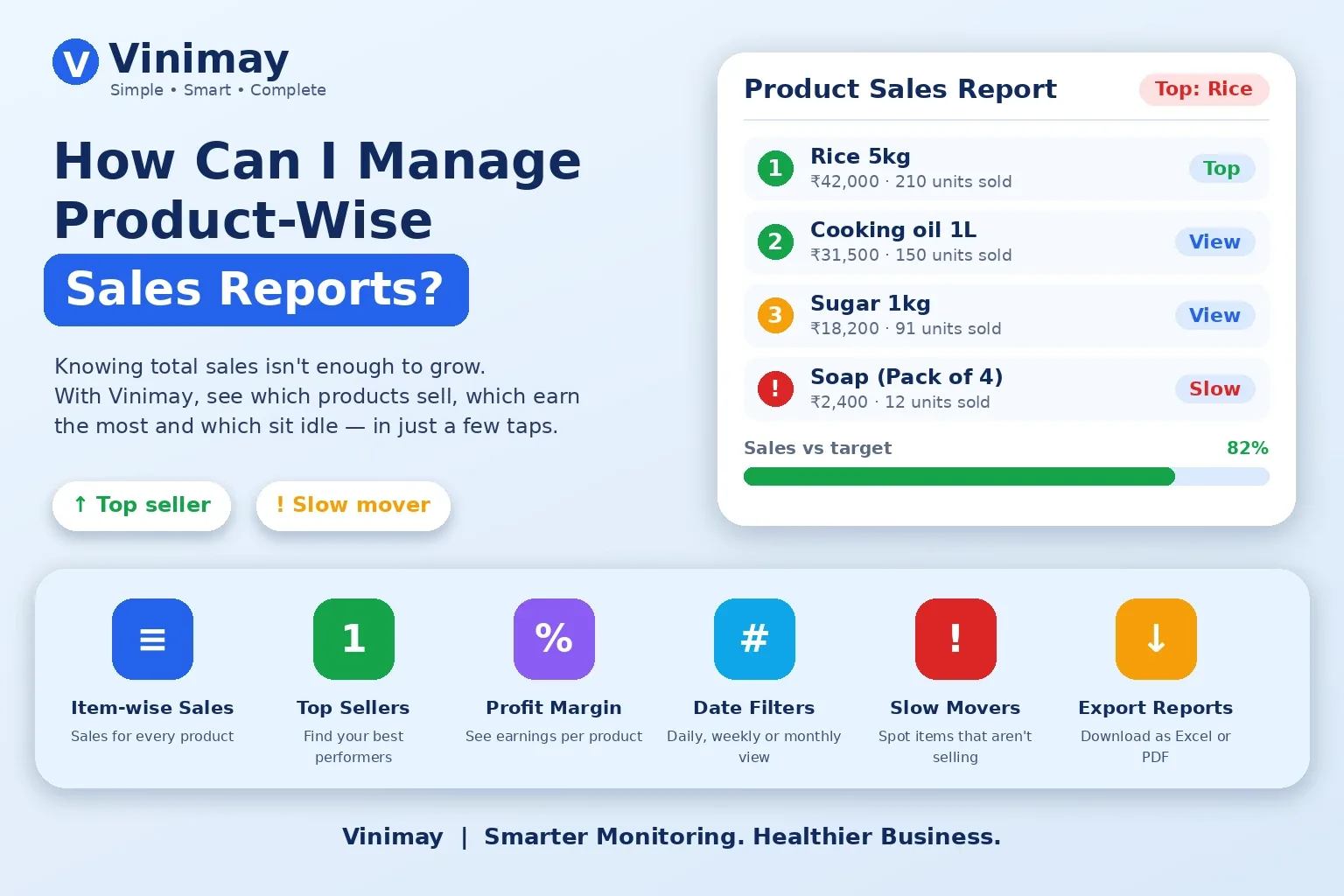
Want to see sales broken down by individual product, not just an overall total? Here's how to generate and actually use product-wise sales reports.