Quick Answer: The best free accounting software for a UK small business depends on its transaction volume, bookkeeping requirements, and HMRC compliance needs. Zoho Books, FreeAgent, QuickFile, Pandle, and GnuCash are options worth comparing. Some offer free plans with transaction limits, while others are free only for eligible bank customers. Before choosing, check invoicing, expense tracking, bank feeds, VAT reporting, and Making Tax Digital (MTD) compatibility.
Running a small business in the UK involvesmanaging invoices, expenses, customer payments, supplier bills, and tax records. Paid accounting subscriptions can increase operating costs, particularly for freelancers, sole traders, startups, and small companies.
Fortunately, several accounting platforms offer free versions or conditional free access. The right choice depends on how many transactions your business processes and whether you need automated bookkeeping or HMRC-compatible tax reporting.
What Is Free Accounting Software?
Free accounting software is a digital tool that helps businesses manage financial transactions without paying a regular subscription for its basic features.
Common features include:
Creating and managing sales invoices.
Recording purchases and business expenses.
Tracking customer payments and outstanding bills.
Maintaining customer and supplier records.
Generating basic financial reports.
Organising income and expenditure records.
However, free software may have limitations involving transaction volumes, users, automated bank feeds, customer support, or tax submissions.
What Are the Best Free Accounting Software Options in the UK?
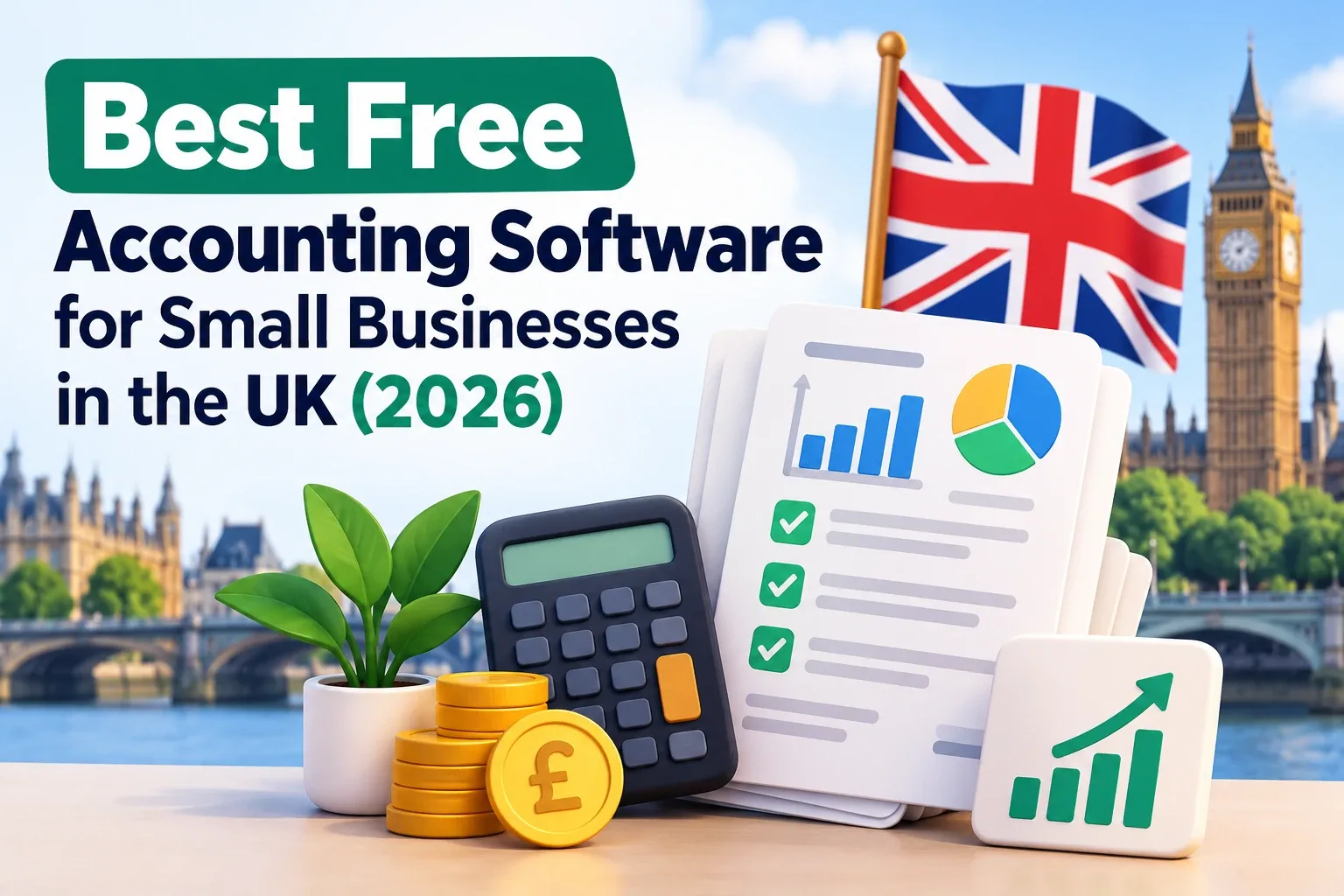
Here are five accounting solutions worth considering in 2026.
| Software | Best For | Important Consideration |
|---|---|---|
| Zoho Books | Small businesses needing cloud accounting | Free plan has eligibility and feature limits |
| FreeAgent | Eligible bank account holders | Free access depends on qualifying banking arrangements |
| QuickFile | Freelancers and low-volume businesses | Free usage and automation have limitations |
| Pandle | Basic bookkeeping | Advanced features may require a paid plan |
| GnuCash | Users preferring desktop accounting | No native HMRC MTD submission |
Zoho Books
Zoho Books offers invoicing, expense management, customer records, and accounting reports. Its free plan can suit smaller businesses with relatively simple accounting needs. However, users should check the applicable revenue, invoice, user, and feature restrictions before registering.
FreeAgent
FreeAgent provides accounting, invoicing,expense management, and tax-related tools. Eligible NatWest, Royal Bank of Scotland, Ulster Bank, and Mettle customers may qualify for free access under the provider's banking arrangements. It is particularly worth considering if your business already uses an eligible account.
QuickFile
QuickFile is designed for freelancers, sole traders, and small businesses that need online bookkeeping. It offers invoicing, transaction management, and accounting reports. Its free service has activity limits, and some automation or additional features may cost extra.
Pandle
Pandle provides bookkeeping tools for small businesses, including income and expense tracking and invoicing. Its free version can be useful for straightforward accounting, while additional automation and functionality may require an upgrade.
GnuCash
GnuCash is free, open-source desktop accounting software. It supports double-entry bookkeeping, accounts management, and financial reporting. It may suit businesses comfortable with manual accounting, although its desktop-based approach and lack of native MTD submissions may not suit everyone
What Features Should Small Businesses Look For?
Choosing software based only on its zero subscription price can create problems later. A business should consider the following features:
Invoicing: The software should create professional invoices, calculate totals, and track unpaid customer bills.
Expense Tracking: It should help record purchases, business expenses, and supplier payments.
Bank Reconciliation: Bank feeds or transaction imports can reduce manual bookkeeping work.
Financial Reports: Profit and loss reports, income summaries, and expense reports help owners understand business performance.
Inventory Management: Businesses selling physical products may need stock tracking and purchase records.
Tax Compatibility: UK businesses should check whether the software supports their VAT obligations and relevant HMRC submissions.
Is Free Accounting Software Compatible With Making Tax Digital?
Making Tax Digital is an important consideration when selecting accounting software in the UK.
MTD for VAT already requires businesses within its scope to maintain digital records and submit VAT returns using compatible software.
MTD forIncome Tax began on 6 April 2026 for qualifying sole traders and landlords with qualifying income above £50,000. The threshold is scheduled to reduce to above £30,000 from April 2027 and above £20,000 from April 2028.
Affected businesses need compatible software to maintain digital records, send quarterly updates, and submit their tax returns.
Importantly, not every free accounting application supports every MTD requirement. Check HMRC's official software finder before relying on a product for tax submissions. HMRC does not itself recommend individual software providers.
How Can Vinimay Help With Everyday Billing?
Vinimay is a free billing and invoicing software option for businesses looking to organise everyday sales and purchase transactions.
Its features can help businesses:
Create and manage sales invoices.
Maintain customer and supplier records.
Record purchases and payments.
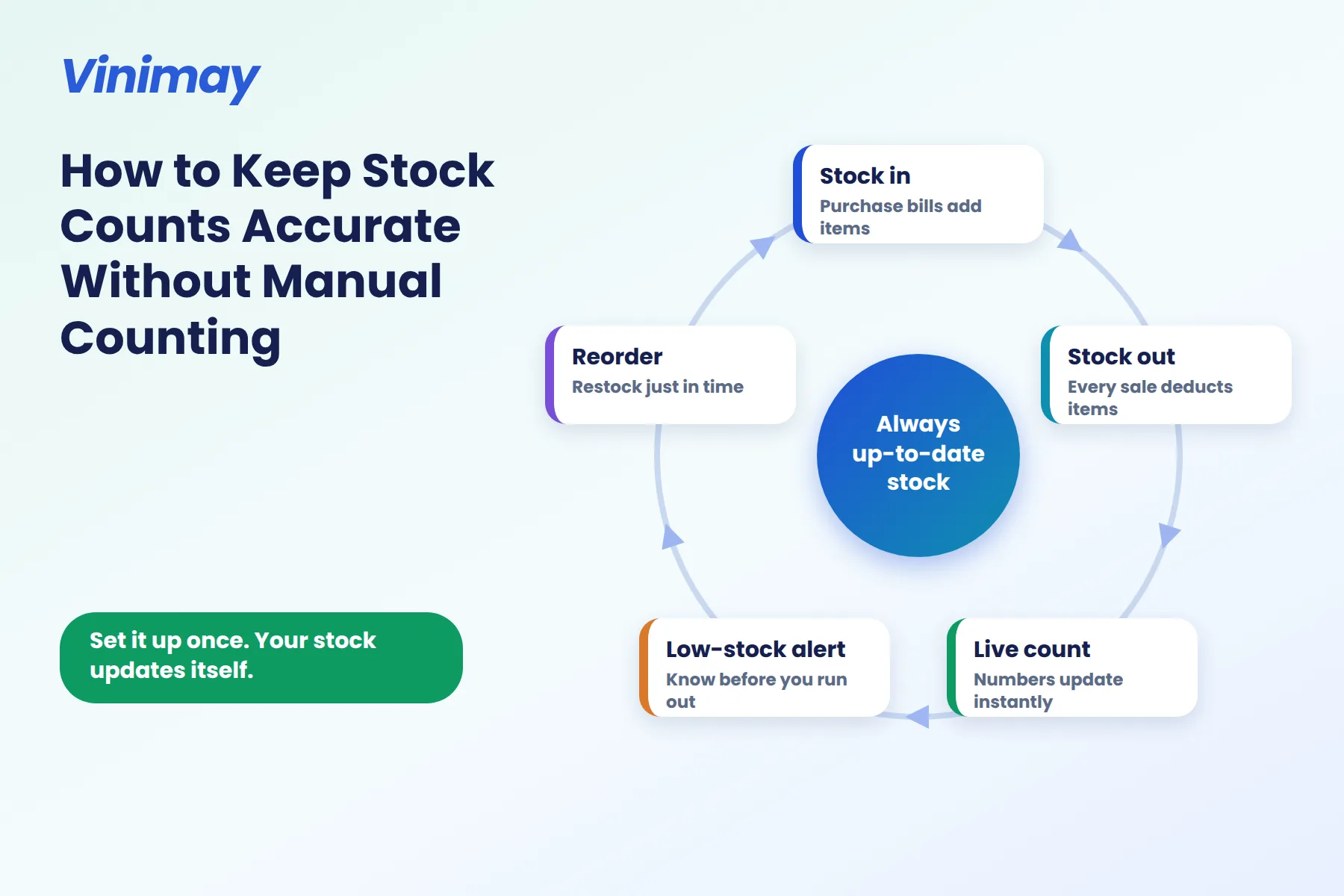
Manage product and stock information.
Organise billing records for bookkeeping.
Generate relevant business reports.
Its bilingual invoicing functionality also supports businesses that prefer creating invoices in English and Hindi.
However, Vinimay'sUK-specific HMRC recognition, MTD VAT and income tax submissions, and UK tax compliance features have not been independently verified. UK businesses should not rely on it as their sole MTD solution without confirming compatibility.
How Do You Choose the Right Free Accounting Software?
Before selecting a platform, consider these questions:
Does the free plan cover your monthly invoice and transaction volume?
Can you record both income and expenses?
Does it support your business's VAT requirements?
Is it compatible with the relevant MTD obligations?
Can you export your financial records?
Will you need paid features as your business grows?
A freelancer with a few monthly invoices may need only basic bookkeeping. A growing limited company may require bank reconciliation, VAT reporting, payroll, and more detailed financial statements.
Conclusion
The best free accounting software for small businesses in the UK depends on transaction volume, bookkeeping needs, and HMRC compliance requirements. Zoho Books, FreeAgent, QuickFile, and Pandle offer different options for small businesses, while GnuCash provides free desktop accounting. Before selecting a platform, check its free-plan restrictions, MTD compatibility, VAT features, and upgrade costs. Businesses can also explore Vinimay's free bilingual billing software for everyday invoicing and transaction organisation, while verifying UK tax compliance separately.
Frequently Asked Questions
Related Topics
Published by prachi kahar
Our editorial and compliance specialists create practical guides, tax calculation rules, and operational strategies to empower Indian small business owners and accountants.