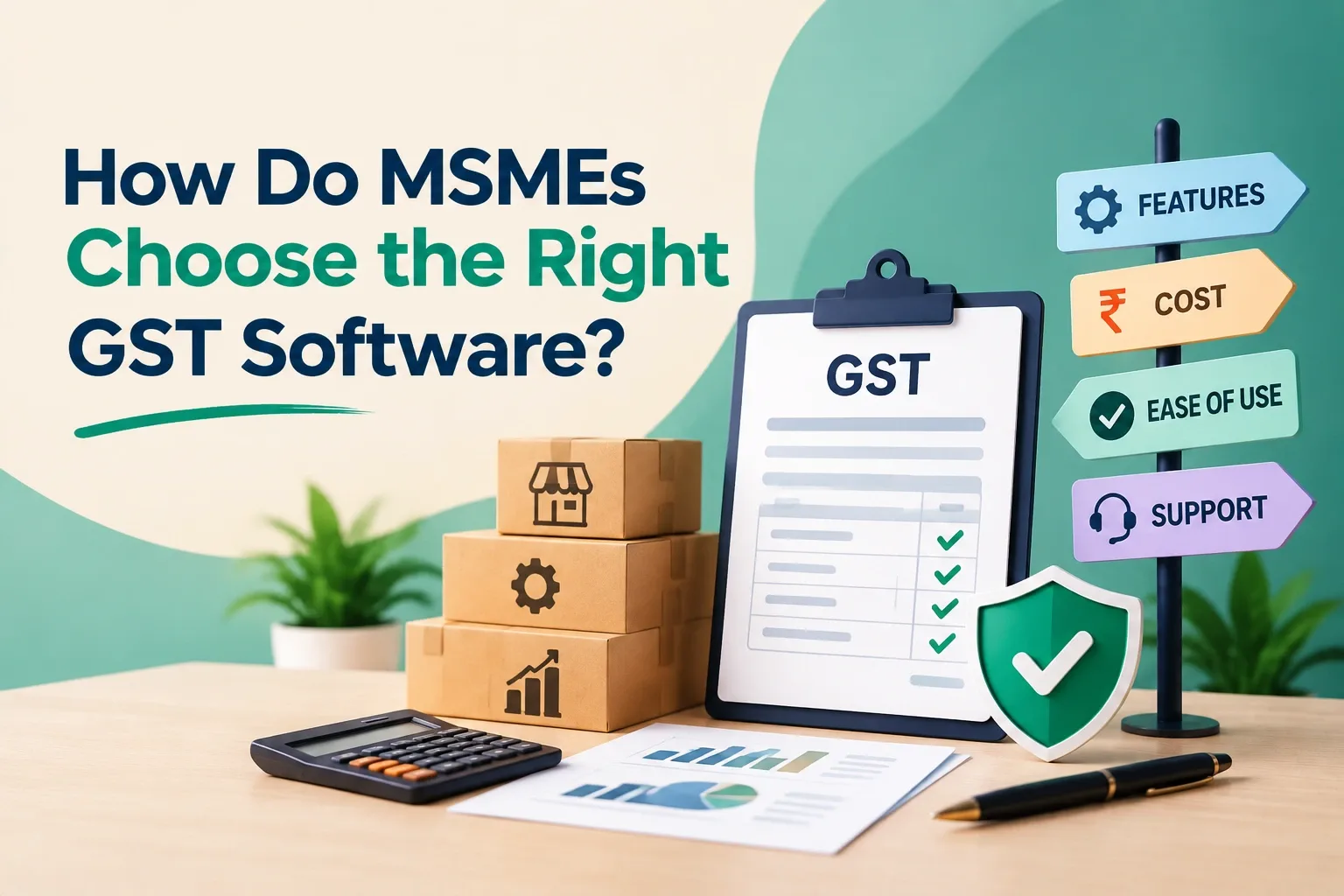
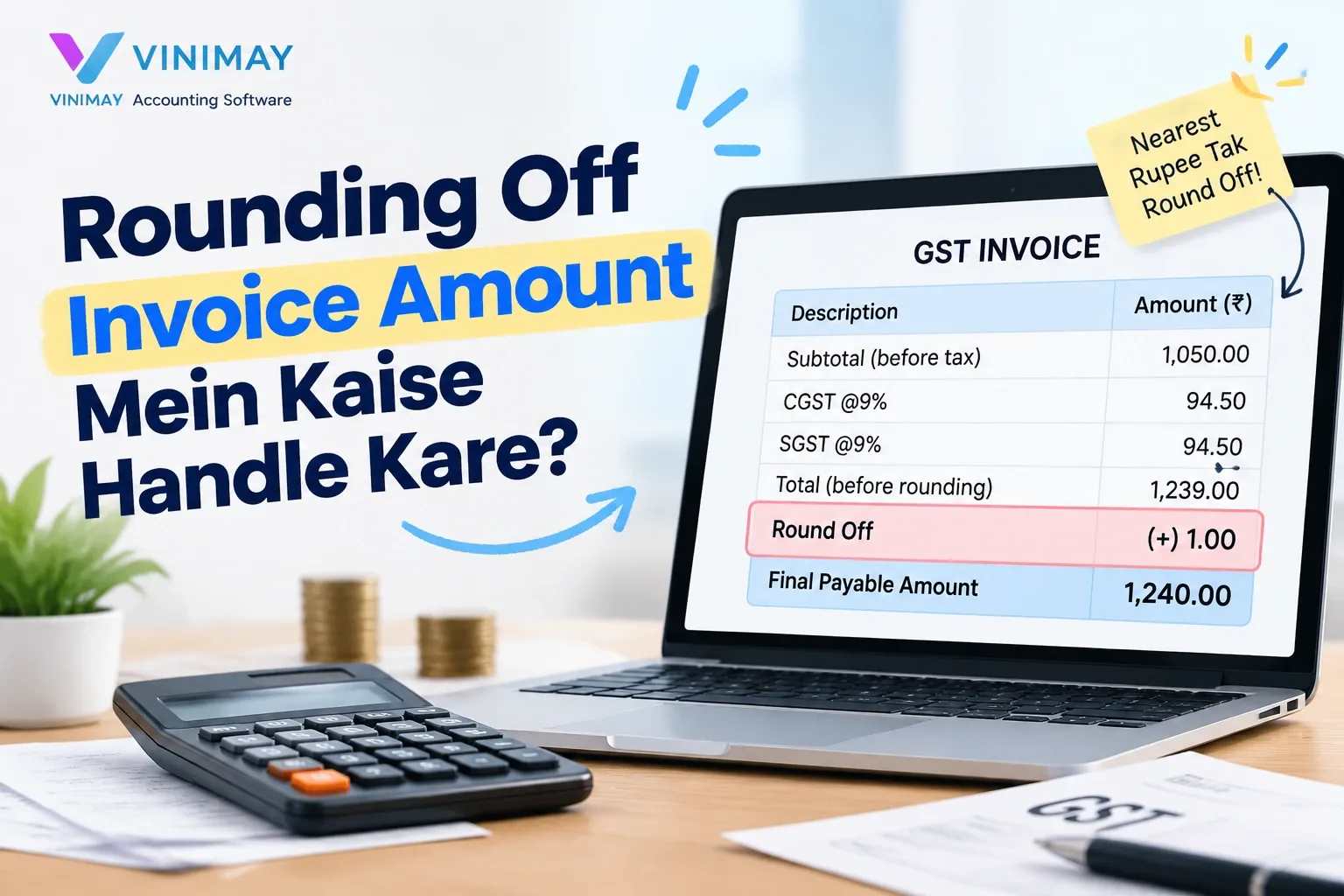
"Reliable" is doing a lot of work in this question, and it's worth being precise about what it actually means before answering it. It could mean the software calculates GST correctly every time. It could mean it won't crash or lose data during a busy billing day. It could mean the provider will still support the tool a year from now, or that the invoices it generates will hold up if ever reviewed by a tax authority. Free GST software can be reliable across some of these dimensions and shakier on others, and the honest answer depends on which kind of reliability actually matters most for your business.
Billing and accounting software helps organise invoices, payments, stock and customer records in one system, and reliability is ultimately about whether that organisation holds up under real, everyday use. Vinimay applies GST invoicing through a structured, consistent format as part of its confirmed feature set, which is a relevant reference point for understanding what a dependable free-tier foundation looks like in practice. This guide breaks reliability down into its actual components.
What Does "Reliable" Actually Mean Here?
For GST software specifically, reliability generally covers:
Calculation accuracy — does it apply the correct tax rate and breakup every time?
Compliance validity — do the invoices it generates meet GST requirements consistently?
Operational stability — does it work smoothly during regular, day-to-day use?
Provider continuity — is the provider likely to keep maintaining and updating the tool?
Where Free GST Software Is Generally Reliable
For core, everyday tasks, many free GST tools perform consistently well:
Applying standard GST fields and tax rates on straightforward invoices
Recording basic sales, purchases, and cash transactions accurately
Generating invoices that meet the required fields for GST compliance
Handling day-to-day billing without major technical failures for most users
For a business with simple, low-volume billing, this level of reliability is often genuinely sufficient.

Where Reliability Can Become Uncertain
Reliability becomes a more legitimate concern in specific situations:
Complex GST scenarios — multiple tax rates, interstate transactions — are more prone to manual setup errors on any tool, free or paid
High transaction volume — approaching a free plan's invoice cap can create disruptions right when reliability matters most
Provider support and updates — some free tools receive less frequent updates for GST rule changes than paid alternatives
Long-term availability — free offerings tied to specific schemes or promotions can change terms or discontinue support over time
Why the Provider Matters as Much as the Price
Two free GST tools can have very different reliability profiles, even at the same price point of zero. What matters more than "free" as a label is:
Whether the provider clearly documents how GST calculations are handled
Whether the tool is actively maintained and updated for current GST rules
Whether other users have reported consistent, predictable behaviour
Whether the provider offers any support channel, even a basic one, if something goes wrong
How to Judge Reliability Before Committing
Test the tool with a sample invoice matching your actual products and tax rates
Check whether it's been updated recently to reflect current GST requirements
Confirm your typical monthly invoice volume comfortably fits within any free plan limits
Look for clear documentation or support resources, rather than assuming help will be available if needed
What Happens If Reliability Breaks Down Mid-Filing?
The real cost of unreliable software shows up at the worst possible time — a GST filing deadline, a high-volume sales day, or a tax review. If a tool crashes, miscalculates, or becomes unavailable during these moments, the disruption is far more costly than during a quiet period. This is why testing reliability in advance, rather than discovering it under pressure, matters more for GST-related tools than for less critical software.
What a Reliable Foundation Looks Like
Regardless of price, a dependable GST tool should consistently deliver:
GST invoicing that applies tax details accurately and consistently across every invoice
Billing is connected to sales and purchase records, so figures stay aligned rather than requiring separate reconciliation
Ledger management that gives a clear, current, and accurate view of receivables and payables
Stock tracking that reflects actual transactions, avoiding mismatches between recorded and real inventory
Vinimay is built around this kind of structured consistency for its confirmed feature areas — GST invoicing, billing, sales and purchase records, and inventory — which is the specific, checkable kind of reliability worth verifying in any GST tool, free or paid, before trusting it with real business filings.
Frequently Asked Questions
1. Is free GST software generally reliable for Indian businesses?
For straightforward, low-volume billing, most free GST software performs reliably; reliability becomes more variable with complex GST scenarios or high transaction volume.
2. Does free GST software calculate tax correctly?
Most tools apply standard GST rates correctly for common scenarios, though complex, multi-rate situations carry more risk of setup errors.
3. Can free GST software handle high transaction volumes reliably?
This depends on the specific plan's invoice cap; approaching that limit can cause disruptions regardless of underlying accuracy.
4. How do I know if a free GST tool is actively maintained?
Check whether it's been recently updated to reflect current GST rules, and look for any visible support or documentation.
5. Is it risky to rely on free GST software for tax compliance?
It's generally low-risk for simple billing, though businesses with complex GST needs should verify calculations carefully regardless of the tool used.
6. What's the biggest reliability concern with free GST software?
Provider continuity and update frequency are common concerns, since some free tools may not keep pace with GST rule changes.
7. Should I test free GST software before relying on it fully?
Yes — testing with a sample invoice matching your actual products and rates is the most direct way to check reliability.
8. Does reliability differ between free tools from different providers?
Yes, significantly — the provider's maintenance and support practices matter more than the price point alone.
9. What happens if free GST software fails during a filing deadline?
This is when unreliability is most costly, which is why verifying stability and support availability in advance matters.
10. What should businesses prioritise when judging reliability?
Calculation accuracy for their actual products and tax rates, and whether the tool is consistently updated and supported.
Related Topics
Published by admin
Our editorial and compliance specialists create practical guides, tax calculation rules, and operational strategies to empower Indian small business owners and accountants.