Quick Answer: An FTA private clarification is an official written explanation of how UAE tax law applies to a taxpayer's specific situation when the treatment remains uncertain after reviewing published guidance. Applications may be rejected for incomplete documents, unclear questions, insufficient legal analysis, ineligible applicants or matters already addressed by the FTA.
Businesses in Dubai, Abu Dhabi,and across the UAE sometimes face complicated VAT, Corporate Tax or Excise Tax questions.
The Federal Tax Authority (FTA) offers a private clarification service to resolve genuine uncertainties. However, it is not a substitute for professional tax advice or an application for a tax exemption.
What Is an FTA Private Tax Clarification?
A private clarification is a written response from the FTA concerning the application of tax legislation to an applicant's specific facts.
For example, a UAE company may have an unusual cross-border transaction and be uncertain about the relevant VAT treatment, even after reviewing the legislation and FTA guidance.
It can submit its facts, technical analysis, and specific question for clarification.
The response applies to the applicant and the facts considered. Other businesses should not automatically rely on it.
Who Can Request a Private Clarification?
The applicant must have a genuine interest in an unresolved tax matter.
Requests may be submitted by the taxpayer, an appointed registered tax agent, or an authorised legal representative.
For a tax group, the appropriate representative member or parent company must submit the request.
An ordinary tax consultant who is not an FTA-registered Tax Agent cannot submit the application on someone else's behalf.
Corporate Tax applications: Applicants must generally be registered for corporate tax, unless their question specifically concerns corporate tax registration.
Why Does the FTA Reject Clarification Requests?
The FTA identifies several rejection reasons.
Contradictory information between the form, cover letter and contracts can also result in rejection.
What Documents Are Required?
The FTA expects applicants to explain their circumstances and proposed tax treatment.
Supporting documents generally include:
Cover letter outlining the clarification requested.
Description of the relevant facts and transactions.
Specific questions requiring clarification.
Relevant tax-law references and technical analysis.
Alternative tax treatments considered.
Contracts, invoices and supporting evidence.
Relevant tax advice already received.
Documents must support a real transaction or genuine business situation.
For instance, a company questioning the VAT treatment of a contract should explain the contractual arrangements rather than simply asking whether VAT applies.
How Do You Apply Through EmaraTax?
Businesses can use the FTA's online private clarification service.
The general steps are:
Review the applicable tax law and published FTA guidance.
Use the FTA's private clarification self-assessment tool.
Log in to EmaraTax.
Select the private clarification application service.
Choose the relevant tax type.
Describe the uncertainty and provide legal analysis.
Upload supporting documents.
Pay the application fee and submit.
The FTA may issue a clarification, request further information or reject the application.
What Are the Fees and Processing Times?
The FTA publishes the following service details:
A multi-tax request must concern the same specific tax matter.
If requested information is not submitted within 40 business days, the FTA will reject the application.
Fees are generally non-refundable, although discretionary refunds may be available in specified cases.
How Can Businesses Reduce Rejection Risk?
Before applying, businessesshould identify the precise legal question and show why existing official guidance does not resolve it.
Avoid requesting general confirmation that a company qualifies for Small Business Relief, Free Zone status or another benefit where the proper process involves assessing eligibility or submitting a prescribed application.
The FTA also does not issue private clarifications concerning the application of the Corporate Tax General Anti-Abuse Rule to a proposed arrangement.
A clear submission should explain the facts, the relevant provisions and the applicant's interpretation.
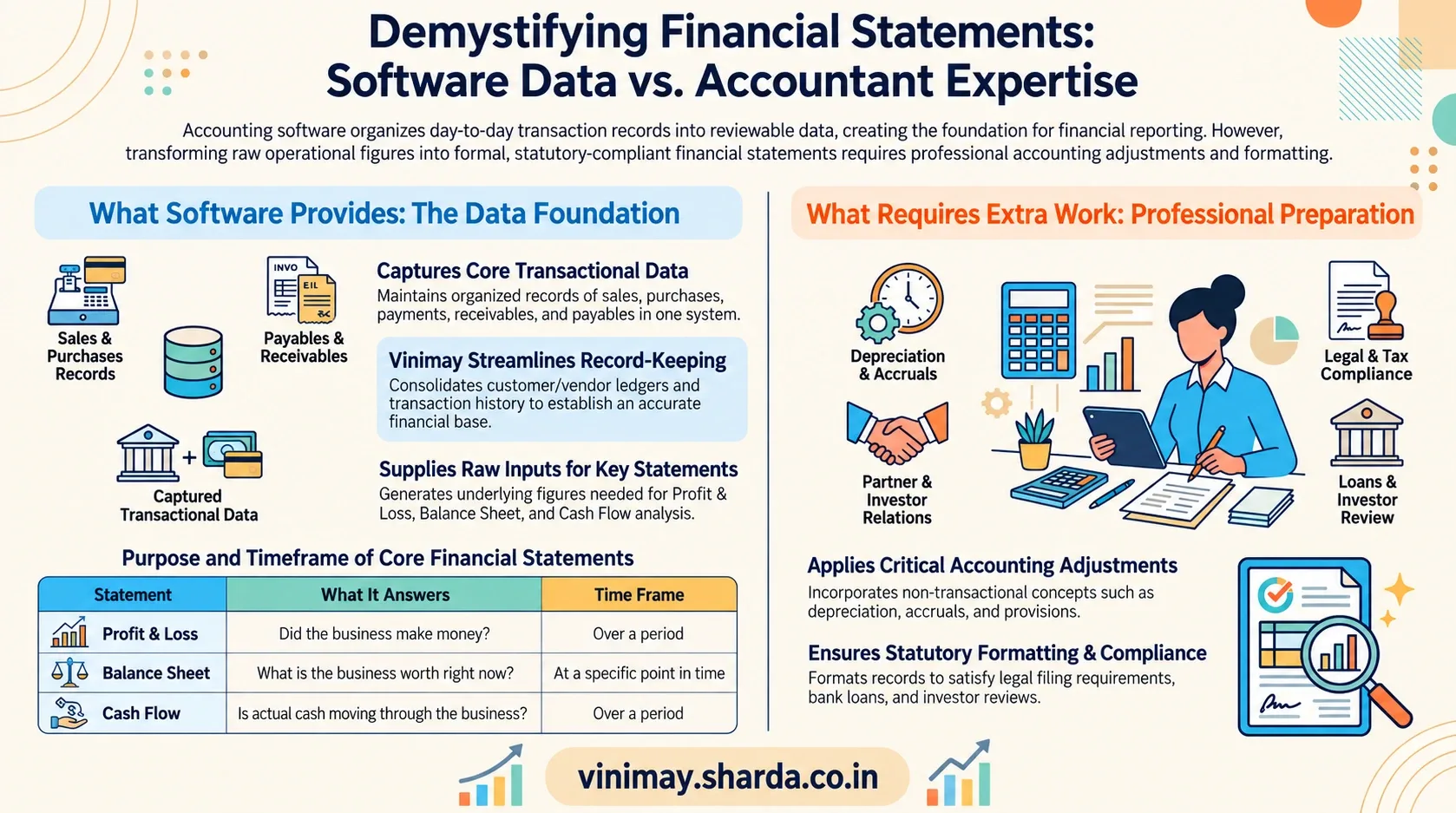
How Can Vinimay Help Prepare Supporting Records?
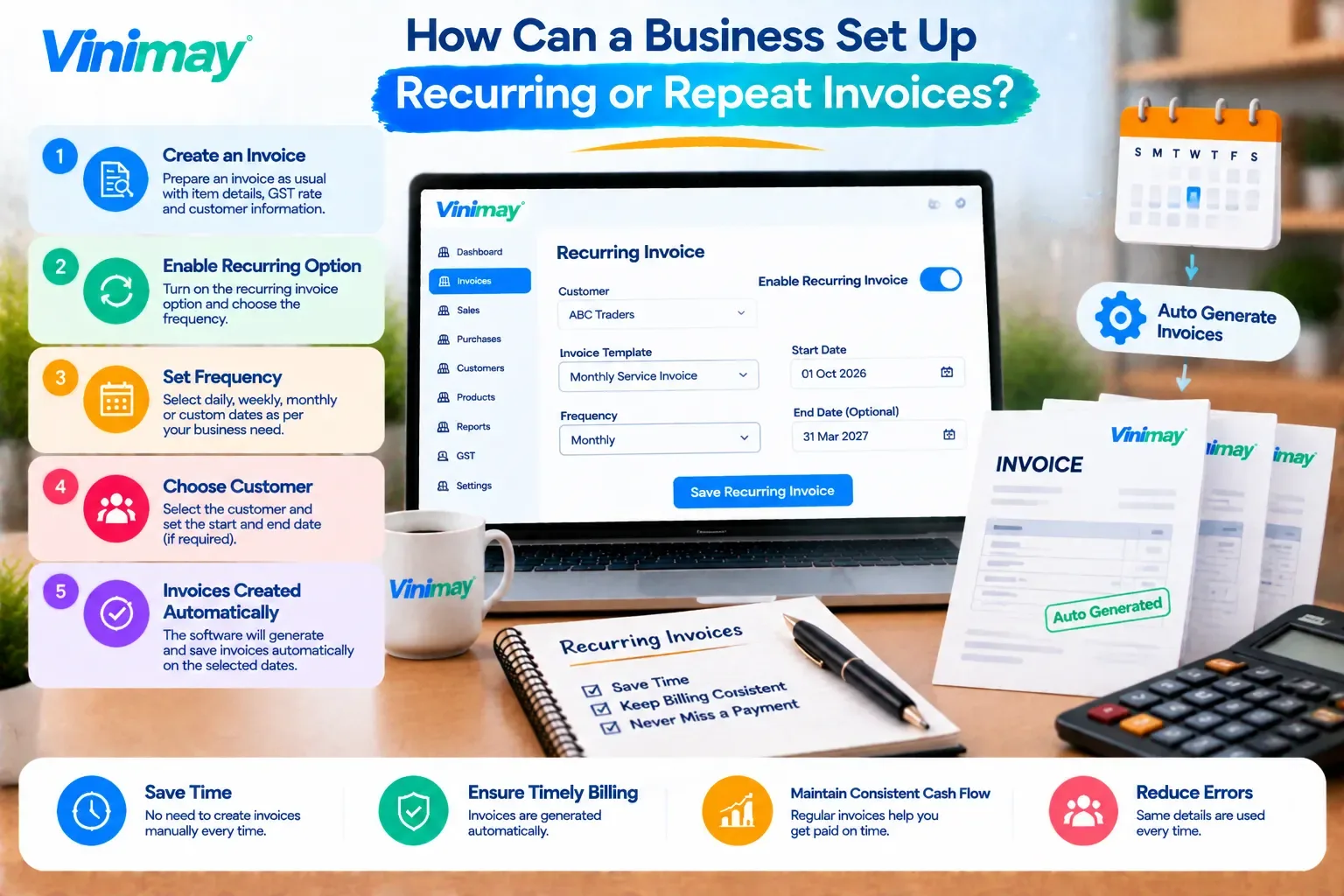
A well-documented clarification request may require invoices, purchase records and transaction histories.
Vinimay provides general accounting functions for managing sales invoices, purchases, customer and supplier ledgers, payments and financial reports.
These features can help businesses organise supporting transaction information before consulting their tax adviser.
However, Vinimay's UAE-specific private clarification preparation, tax-law analysis and direct EmaraTax submission capabilities have not been independently verified.
Frequently Asked Questions
Related Topics
Published by prachi kahar
Our editorial and compliance specialists create practical guides, tax calculation rules, and operational strategies to empower Indian small business owners and accountants.